Tours in Hungary
Danube Bend
Esztergom, Visegrád, Szentendre

This is a day-trip north from Budapest along to the most beautiful part of the Hungarian riverside.
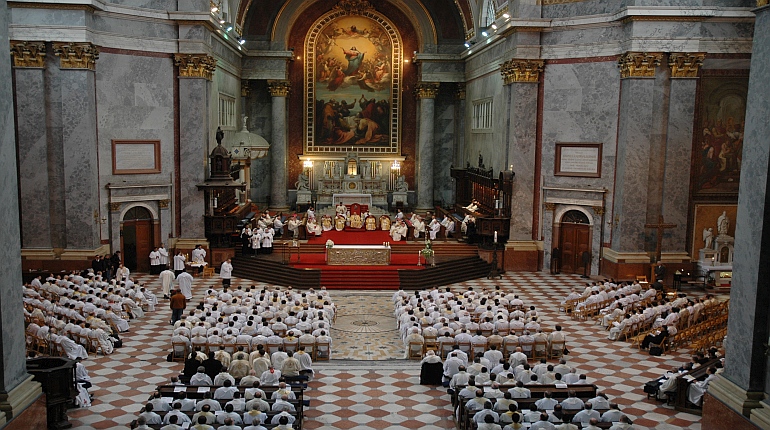
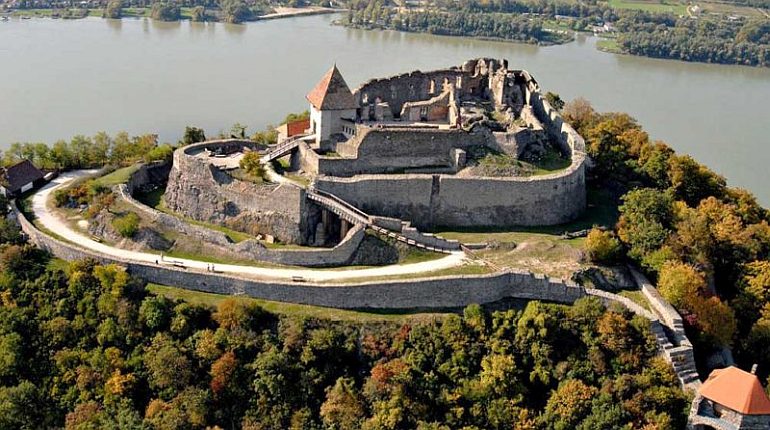
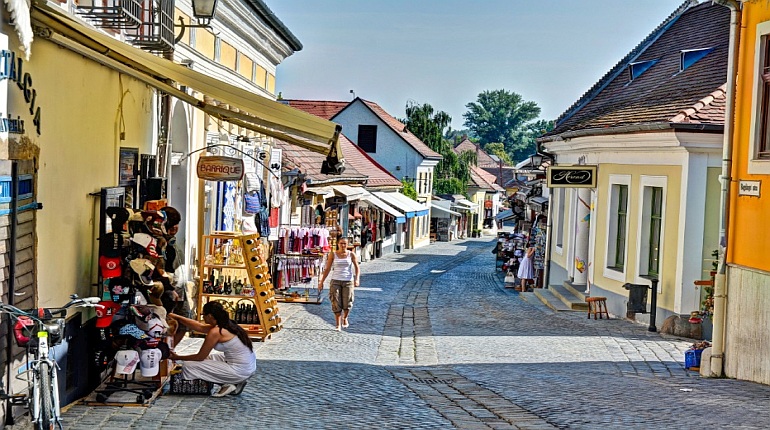
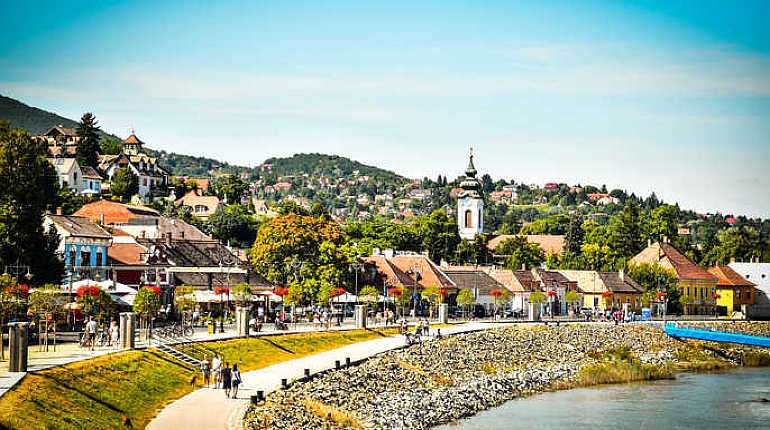
Beautiful panoramas and wonderful architecture can be easily found where the old river turns south. The Danube Bend is a huge region from Esztergom, where the Danube River starts bending, all the way down to Vác. The region also includes the Börzsöny Hills north from the Danube, Pilis and Visegrád Hills on the south bank, and the Island of Szentendre. During our tour we visit the biggest church of the country in Esztergom(for a picture we can cross the Slovakian border), we admire the view from the Visegrád Citadel, and we will stroll in the medieval streets of Szentendre. If requested, we can include a lunch-break in one of the cities.

Included:
- private guided tour, parking fees, pick up & drop off.

Not included:
- entrance fees, consumptions, lunch ... etc.

Duration

The Bend:

When we are speaking about the Danube Bend, we mean an area of an almost 20 km long part of the 417 km Hungarian section of the Danube. The river whose direction has been from west to east, changes to north-south direction below Esztergom and turns north with a hairpin bend, then suddenly forming a right angle after Visegrád, continues its course towards the south. The Danube is the second longest river in Europe after the Volga, flowing 2857 km from the Black Forest to the Black Sea. Crossing 10 countries and 4 capitals, we can say, its quite international. Used by armies and tribes since antiquity, this „dustless highway” deeply impressed poets who find it as an allegory for the mythical voyage of Hercules from Greece to the land of Hyperbolas. József Attila describe it as „cloudy, wise and great”, its waters from many different lands are as mixt as the people of the Carpathian Basin. This part of the Danube constitued the Limes, the boundary of the Roman Empire from the beginning of the 1st C. until the first half of the 5th C. A virtual chain of fortifications protected the Danube elbow. But monuments originating from Hungary’s middle ages are much more significant that those from the Roman age, for several Hungarian monarchs lived on the Danube Bend between the 11th and 15th C.


CRADLE OF FAITH:


Mike's other offers

Tours in Budapest


Home