Tours in Hungary
Eger and Hollókő
History and Traditions

The great advantage of this tour consist in the combination of the rich and unique historical and traditional gems.
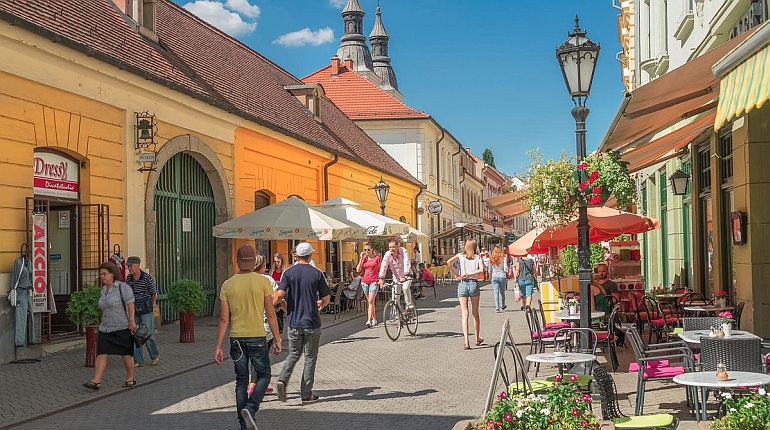
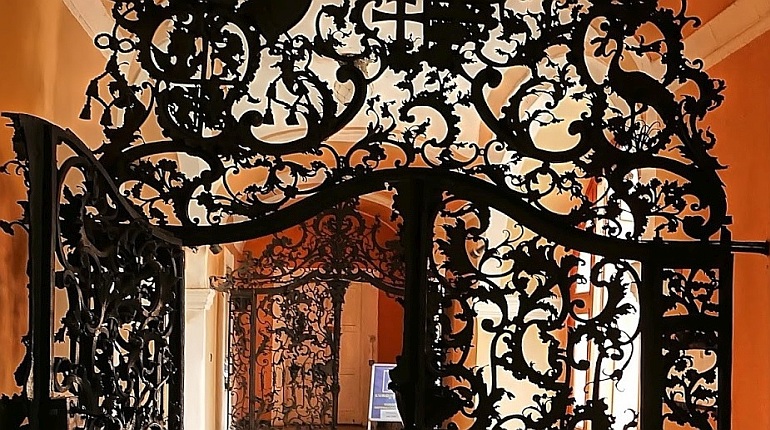
Eger is famous for its castle, cathedral, red wine, Baroque palaces and Turkish remains, including the northernmost minaret in Europe. Although the history of the castle goes back to the 11th century, it truly gained importance in the 1500s, during the Turkish era. Later the archbishop returned and the city regained its status as an ecclesiastic seat. Several beautiful buildings were built, including the Cathedral, the Lyceum, the Minorite Church and many more.
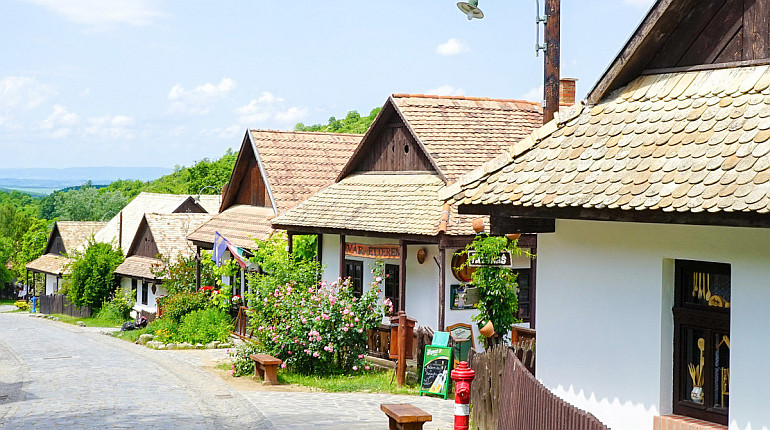
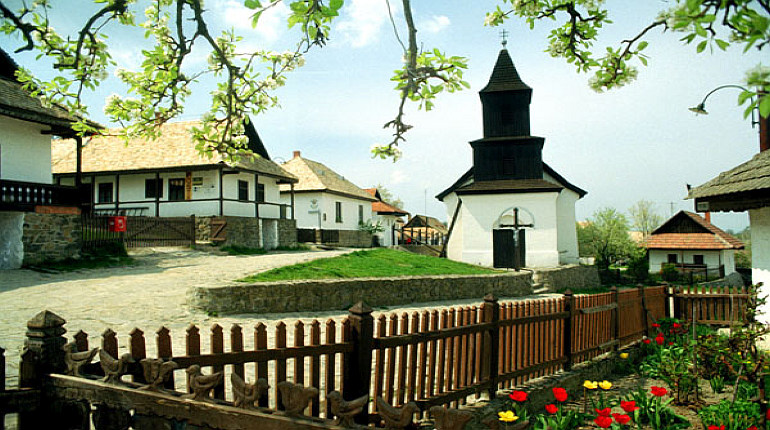
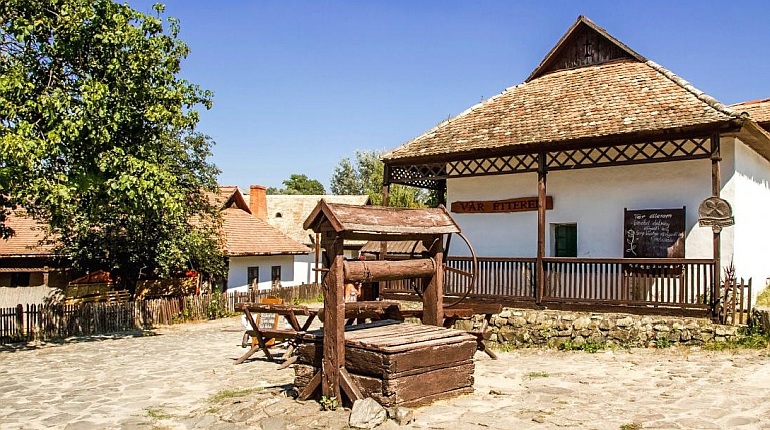
After Eger we take a ride to Hollókő, a village frozen in time. The original village was in existence from as early as the fourteenth century. Its present form only dates back to the early twentieth century as the previously was destroyed by fire. Since 1987, with over 50 traditional houses Hollókő is listed in UNESCO site due to it being "an outstanding example of a deliberately preserved traditional settlement", including The Village Museum, Post Office Museum, Country House, Doll Museum, The Weaving House, Woodcarver Exhibition, and much more.

Included:
- private guided tour, parking fees, pick up & drop off.

Not included:
- entrance fees, consumptions, lunch ... etc.

Duration

Eger and Hollókő:

Compared to the country’s capital city, Eger is small. Its 55,000 residents rank it the 19th city by size. That is also part of its charm. This gem in the northeast near the border of Slovakia offers fabulous architecture, cobblestone alleys, a lively town square, a millennium of fascinating history, a medieval castle plus some of Hungary’s best wine and food. The peculiarity of Hollókő is that it hasn’t become a museum village, but it is still a living settlement and this is what gives its real charm. Most of the buildings are still being used by the inhabitants as intended for the traditions. The history of the village, however, goes back much further. There is a small myth about how the village was eventually named Hollókő “Raven stone”. According to the story, landlord András Kacsics kidnapped and locked the neighboring landlord’s wife in his castle. But he didn’t expect that her nanny is a witch and turned her sons into a raven. And from stone to stone, they liberated the woman from the castle, and because they probably didn’t like wasting time, they built a new castle out of the stones.


KEEPING THE TRADITIONS:


Mike's other offers

Tours in Budapest


Home