about me my services contact me

HERITAGE

logo


Travelling can teach you more than any university course. It is worth to travel if you really want to know and understand the place. You learn about the culture of the country you visit. If you talk to locals, you will likely learn about their thinking, habits, traditions and history as well. The Hungarian heritage is lot more than the heritage found in the nowadays teritory of the country. The Carpatin Basin, once home of our settled nation, is fullfilled with old and rich heritage.


Heritage is Identity

A country's heritage is all the qualities, traditions, or features of life there that have continued over many years and have been passed on from one generation to another.
In helping shape our identity, our heritage becomes part of what we are. Our expression of this identity shows others what we value; it highlights our values and priorities. Our heritage provides clues to our past and how our society has evolved. It helps us examine our history and traditions and enables us develop an awareness about ourselves. It helps us understand and explain why we are the way we are. Heritage is a keystone of our culture that plays an important role in our politics, society, business and world view. It informs, influences and inspires public debate and policy both directly and indirectly.
(sourse: youtube)

Heritage is Family

Heritage is a person’s unique, inherited sense of family identity: the values, traditions, culture, and artifacts handed down by previous generations. We all absorb a sense of our heritage throughout our lives as we observe and experience the things that make our family unique. Although not every inherited trait, tendency, or tradition is positive, we generally consider heritage to be the positive and meaningful elements of our family’s identity that we incorporate into our own lives and pass along to succeeding generations. Heritage can express itself in many ways. Some families define their heritage primarily as their ethnic, cultural, or national identity. Other families can point to values that have been passed on, such as a love for education, participation in community life, a strong work ethic, or religious devotion. People may feel that an inherited aptitude—such as for music or mechanics, athletics or art—is part of their heritage.


Heritage is Materials

Besides our rich language, music and dance heritage, it's worth to having a look to our fine art heritage. Hungarian people always use the material world around us. Please find below a few examples of using materials in our cultural tradition:
Ceramic

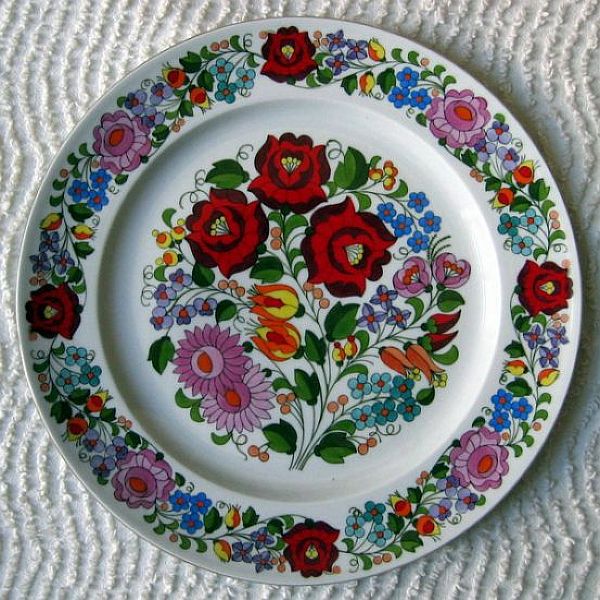
From fine porcelain to household appliances, clay pottery is widespread. The Zsolnay ceramics factory has produced some of the most beautiful and innovative artistic products in its field since the mid-19th century. Using imaginative techniques, this ambitious and creative factory, has employed an extraordinarily wide range of styles in its work.

Felt

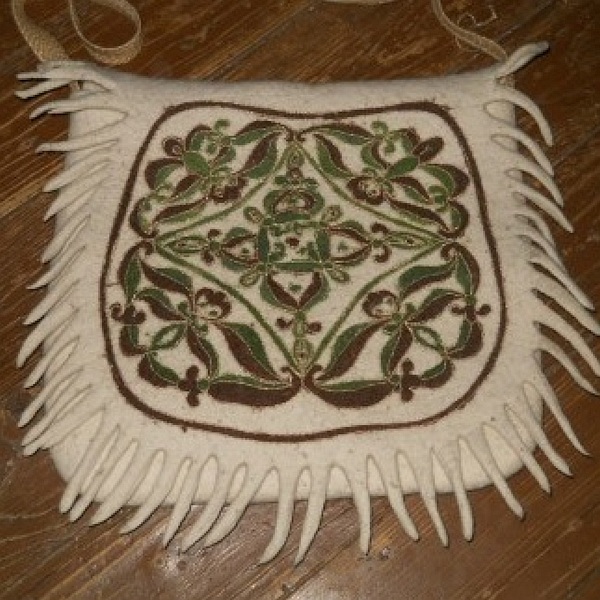
Felt from wool is considered to be the oldest known textile in the world. Our first yurts (tents) were lined with felt. By combining layers of various wool and silk fibers and fabrics, an optical color blending can be created. The textures, forms, and effects which can be obtained through the introduction of 'foreign' materials are virtually infinite.

Wall

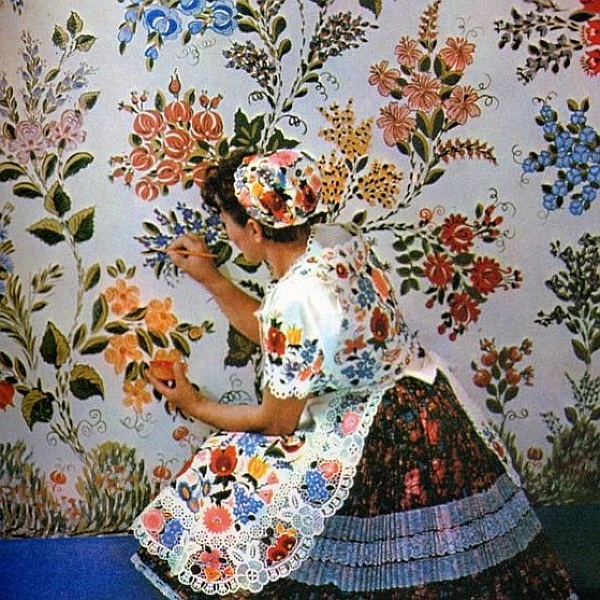
The pinging in the 19th century originally meant only a strip painted on the wall under the ceiling, as described by Jenő Simonyi in 1882. Kalocsa is the only place where our folk pinging art has reached such a high standard.

Horsehair

The Hungarian people are one of the outstanding ethnic groups of equestrian nations. Our ancestors valued their horses to such an extent that until the middle of the 14th century they used exclusively for riding. Our way of horsehair processing, -according to our knowledge-, is unparalleled all over the world, and is used only by Hungarian craftsmen.

Wicker

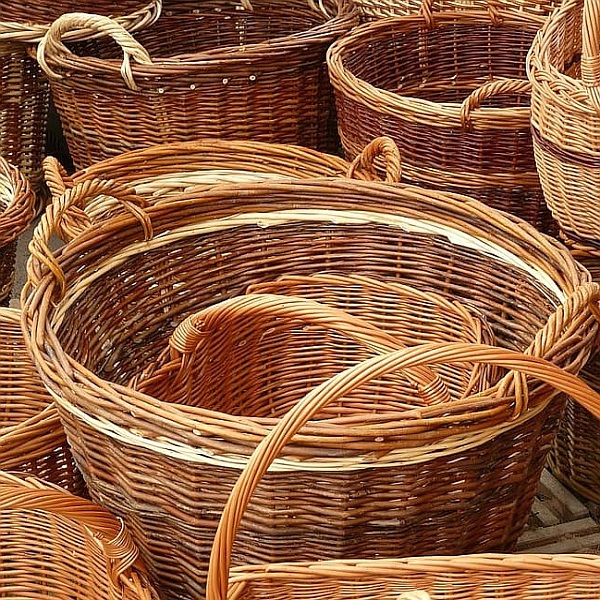
On long winter evenings, a lot of tools for animal husbandry, farming and fodder transport were made from willow canes. In Hungary, the basket weaving as folk craft has been present for centuries. The wicker (Salix) belonging to the family of shrubs is the raw material of wicker or woven baskets.

Wood

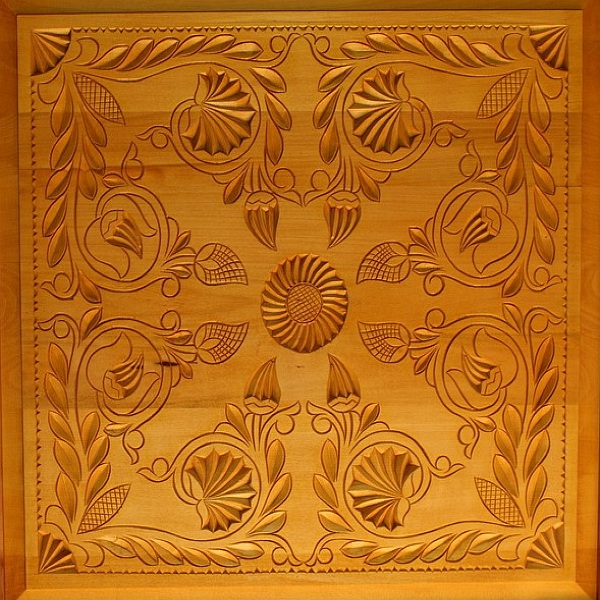
Decorative wood carving is also of great importance in architecture, but its real area is the decoration of utility objects and furniture. Various techniques of embellishment, such as dyeing, smoking and staining, have been developed. Carved monuments have been well preserved, including ornamental entrances known as ‘székelykapu’, ceiling beams, balcony columns, decorative roof facades, etc.

Lace

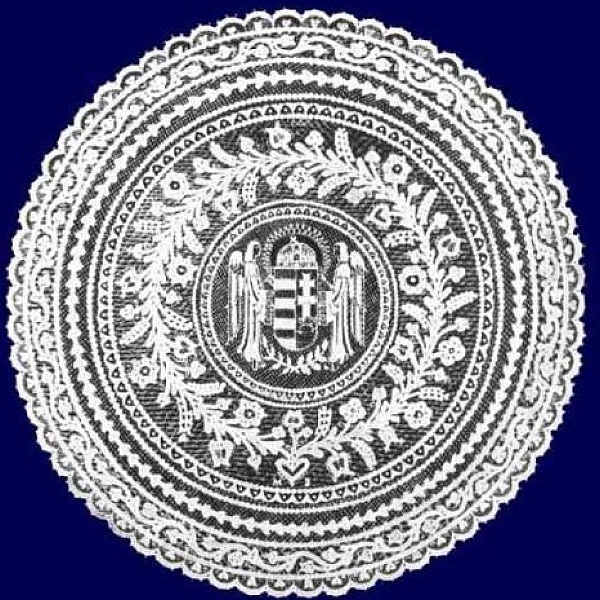
Among several varieties, in Hungarian folk art the dominant techniques are: "rece-s lace", sewn, stitched or needle lace, beaten lace, braided lace(sprang technique). Crochet lace is less important and knitted lace is almost negligible.

Wear

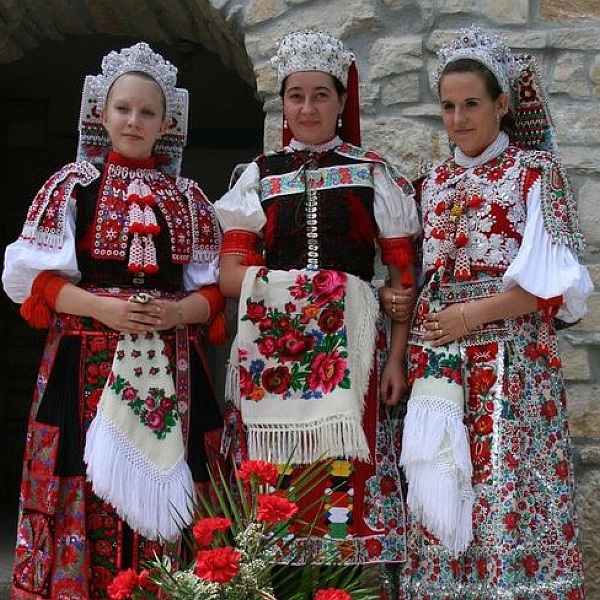
Since our establishment in the Carpathian Basin, several ethnic groups have formed in different parts of the country, which still use characteristic stylistic elements in their works of art, including, of course clothing.

Horn

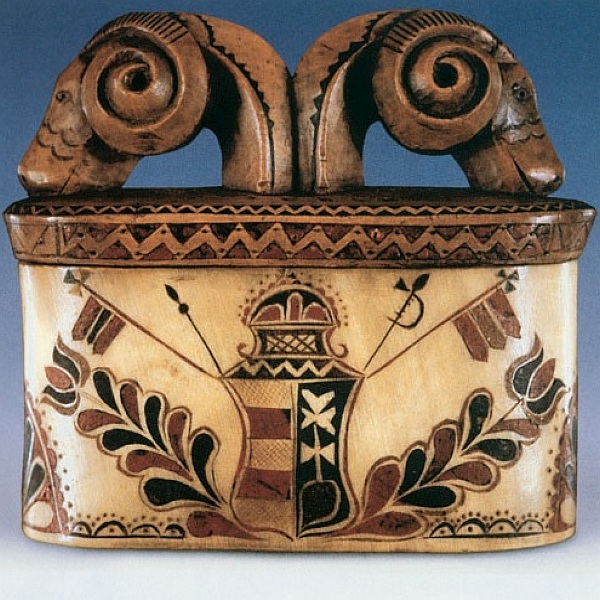
Bone or hone, antler or theet, we decorate and use this materials since ancient times, to make various tools, utensils, and decorative objects. Herdsmen typically leave horns in their natural shape to make drinking gourds, but may also saw the horns apart to create smaller objects.

Leather

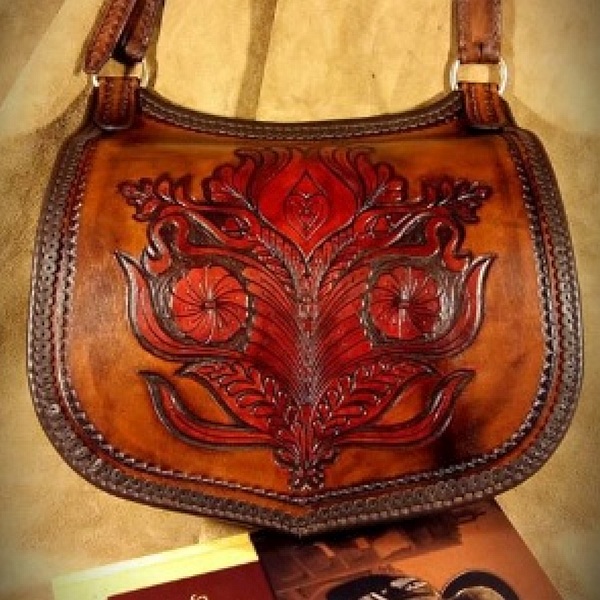
Our ancestors made use of all parts of hunted animals. The properties of leather made this material indispensable. It is durable and can be easily shaped, so no wonder why it is still popular today. Old masters have always adjusted themselves to the needs and made everyday objects, clothes, shoes, horse trappings and many more.

Fabric

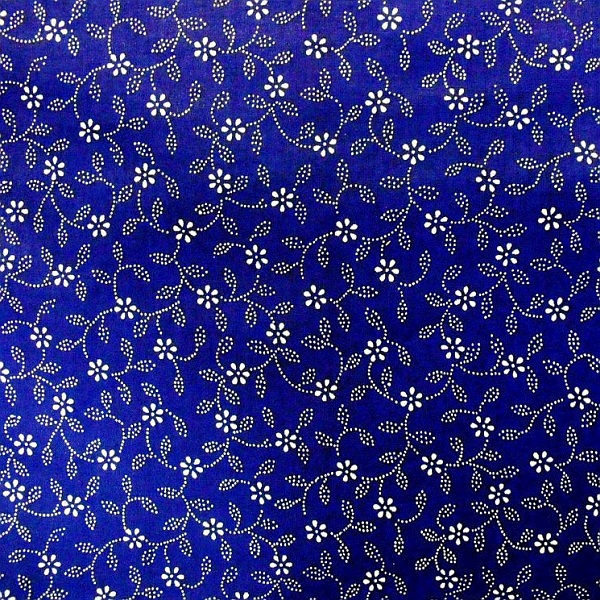
Using a wax-resist process similar to batik, white cotton or linen fabric is block-printed with molten wax. The fabric is then dyed blue. When the wax is removed, the areas protected by wax reveal the pattern in white on a blue background. This endangered art is still practiced today using centuries old equipment and techniques.

Egg

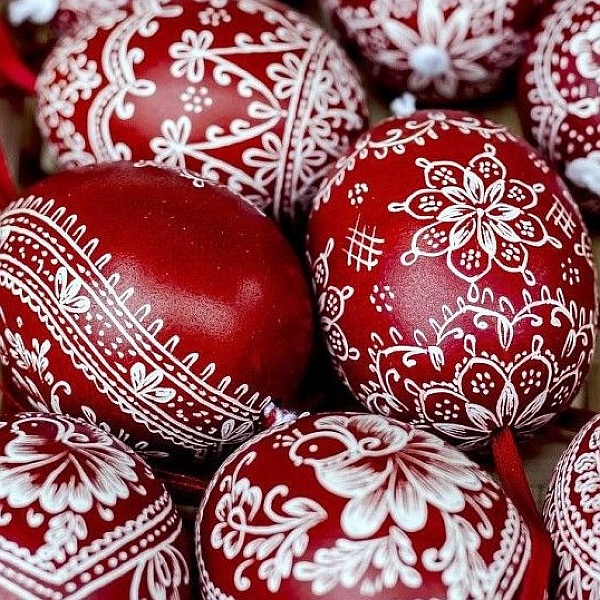
Decoration techniques: *writing: Pattern is drewn with hot wax, then the egg is dipped in colour. *scratching: Pattern is scratched into the egg shell after it’s been coloured. *shoeing: Metal decoration is nailed to the blown out egg shell. *lace: The most demanding technique, usually done on goose eggs. *stitching: Similar to the embroidered fabric with yarns of different colors.

Gingerbread

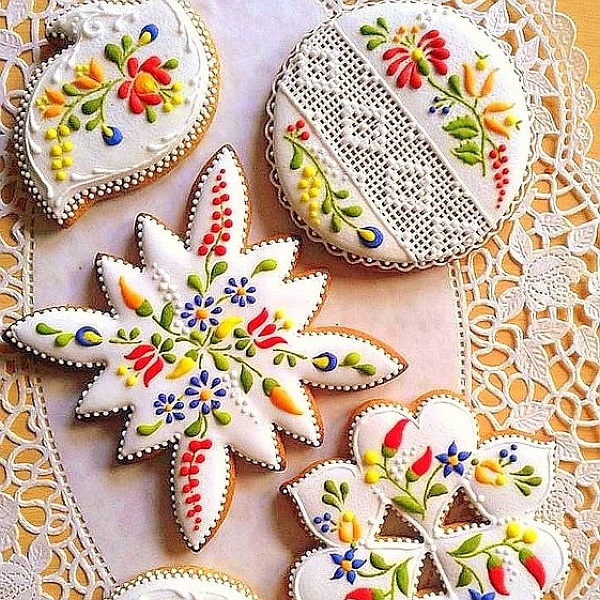
Since Hungary has long been a honey-producing powerhouse, it was a natural place for honey-based gingerbread to take root (though Hungarian mézeskalács don’t typically contain ginger). Debrecen was a center of gingerbread preparation, and the home of a guild dedicated to baking it.

Wrought iron

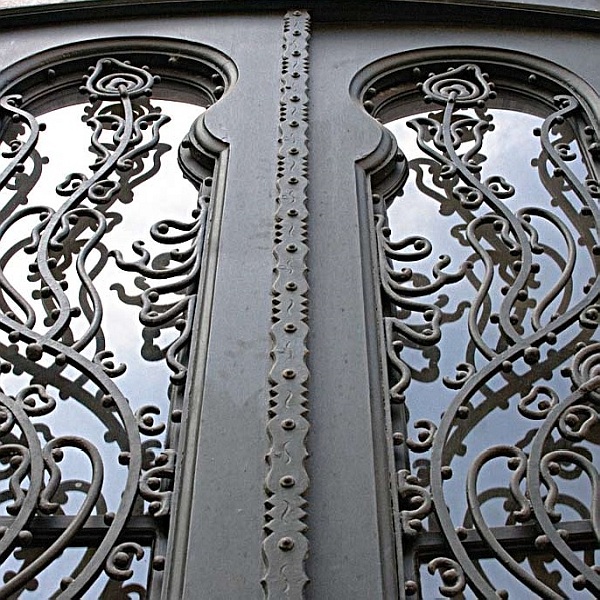
Hungarian homeowners like to hire an ornamental or architectural wrought iron worker, who crafts metal pieces that are visible on the exterior. From window frames to grates and balconies, from screens and fences to hardware, these pros shape iron into forms that are as decorative as they are functional.

Glass

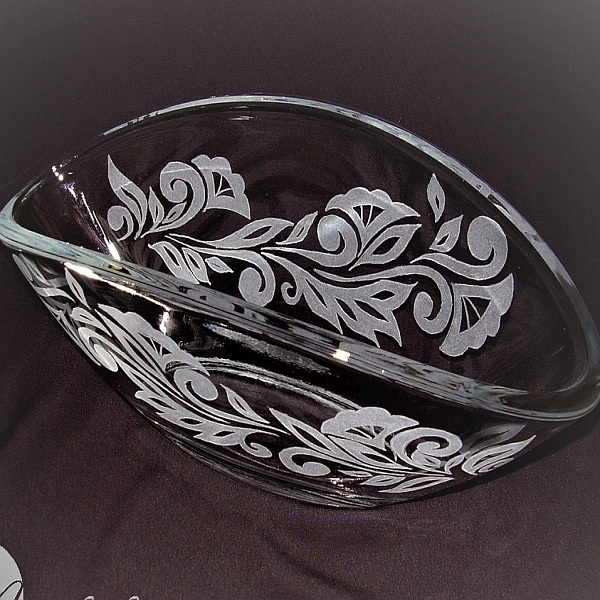
The genesis and development of independent Hungarian glass making can be traced back to the foundation of Hungary in 896 AD. Small glass manufactures were already well established by the medieval period: mostly producing sheet glass for decorating churches and blown-glass for home use. Most of the first glass masters worked in Venice, bringing their characteristic styles with them.

Stone

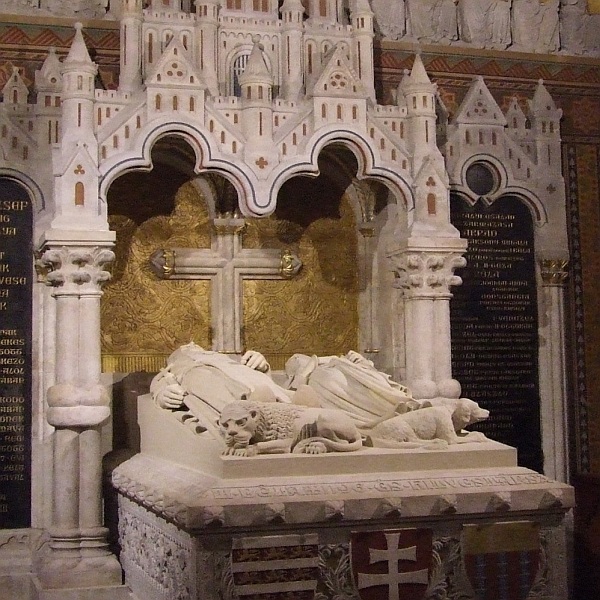
Stone sculptures of churches, public squares, streets of villages and market towns, calvary, roadside crosses, cemetery stone tombstones are usually provincial art, exceptionally the leading art of the age, resp. they reflect the design world of the urban stonemasonry industry.

Let's see Mike's offer

Tours in Budapest Tours in Hungary


Home